
Sourdough Bread in Singapore: Discover the Benefits of Our Housemade Loaves


From freshness and flavour to digestion and longevity, here’s why sourdough remains one of the most nourishing breads you can eat—and why housemade loaves matter.
In recent years, sourdough has quietly reclaimed its place in everyday eating.
What was once considered old-fashioned bread is now recognised for its flavour, digestibility, and craft.
In Singapore’s fast-moving food scene, sourdough stands out not because it’s trendy, but because it’s timeless.
As someone who works closely with food and wellbeing, I often say this: when bread is made slowly and with care, it becomes more than a side—it becomes nourishment.
Sourdough bread embodies this idea.
It’s fermented, alive, and shaped by time rather than shortcuts.
This article explores what makes sourdough bread special, how long sourdough bread can last when stored properly, and why housemade loaves—especially those baked fresh daily—offer benefits you can taste and feel.
What Makes Sourdough Bread Different from Other Breads
At its core, sourdough bread is defined by its fermentation.
Unlike commercial bread that relies on instant yeast, sourdough uses a natural starter—flour and water fermented with wild yeast and beneficial bacteria.
This process changes the bread in meaningful ways:
Flavour development: Slow fermentation creates depth—slight tang, warmth, and complexity
Texture: A crisp crust with a soft, open crumb that holds structure without heaviness.
Digestibility: Natural fermentation begins breaking down gluten and anti-nutrients before the bread is baked.
When you eat sourdough bread, you’re eating the result of time, not speed.
This is why sourdough bread in Singapore has become increasingly sought after by people who care about both taste and wellbeing.
The Health Benefits of Naturally Fermented Sourdough
Sourdough’s appeal goes beyond flavour. Its fermentation offers tangible health benefits that make it a smarter choice for daily eating.
Easier digestion
The bacteria in sourdough starter partially break down gluten during fermentation.
While it’s not gluten-free, many people find sourdough gentler on the stomach than conventional bread.
Better nutrient absorption
Fermentation reduces phytic acid, a compound that can block the absorption of minerals like iron and zinc. This means your body can access more of the nutrients already present in the grain.
More stable energy
Sourdough typically has a lower glycaemic response than commercial bread, helping to avoid sharp spikes and crashes in blood sugar.
Fewer additives
Traditional sourdough requires only flour, water, salt, and time—no preservatives, conditioners, or artificial enhancers.
These benefits explain why sourdough has become a staple in many balanced diets and why discerning diners actively seek out quality sourdough bread in Singapore.
How Long Can Sourdough Bread Last? What You Should Know
One of the most common questions people ask is: how long can sourdough bread last? The answer depends on how it’s stored—and how it was made.
At room temperature
When kept in a breathable bag or wrapped in a clean cloth, sourdough can last 3 to 5 days at room temperature. Its natural acidity helps slow mould growth compared to commercial bread.
In the refrigerator
While refrigeration can extend shelf life, it often dries the bread out. Sourdough stored in the fridge may last up to a week, but texture and flavour may suffer.
In the freezer
Freezing is the best option for long-term storage. When sliced and sealed properly, sourdough can last up to 3 months in the freezer. Toasting brings it back beautifully.
Signs it’s no longer good
Visible mould
Unpleasant odour
Excessive dryness that doesn’t improve with toasting
A well-made loaf—especially one that’s naturally fermented—will always outlast mass-produced bread.
This longevity is another reason people gravitate towards artisan sourdough.
Why Housemade Sourdough Makes a Difference
Not all sourdough is created equal.
In Singapore, you’ll find many breads labelled “sourdough,” but the process behind them can vary significantly.
Housemade sourdough typically means:
The starter is maintained on-site
Dough is fermented slowly
Loaves are baked in small batches
Bread is sold fresh, not reheated or frozen
This level of care results in bread that tastes alive. Each loaf has character, slight variations, and depth that industrial processes can’t replicate.
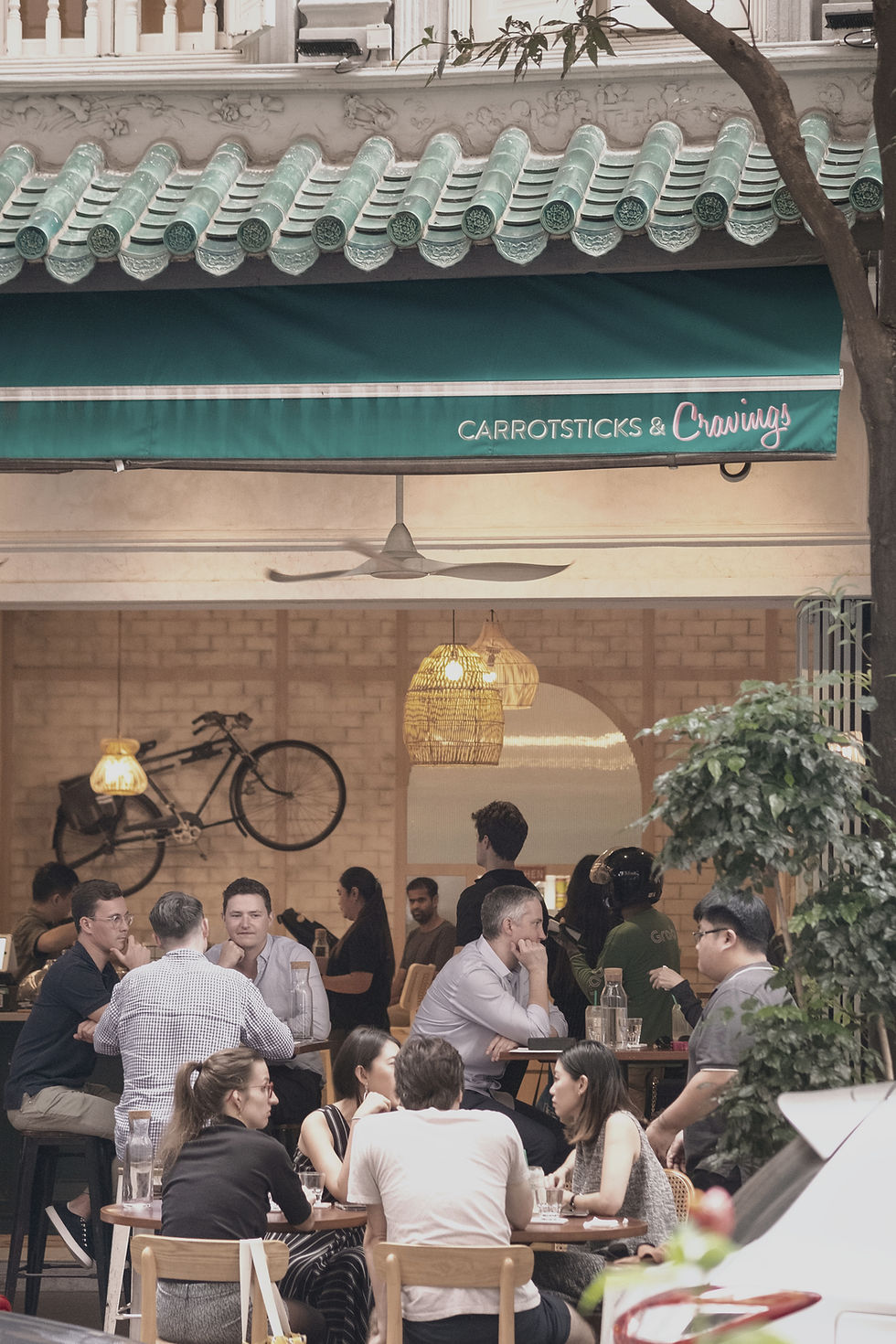
At places like Carrotsticks & Cravings, sourdough isn’t just an add-on—it’s foundational.
Baked fresh and used across the menu, it’s a reflection of the restaurant’s commitment to honest, nourishing food.
How Sourdough Fits into Everyday Eating
One of sourdough’s strengths is its versatility. It can be indulgent or simple, hearty or light—depending on how it’s used.
Common ways people enjoy sourdough include:
Toasted with butter, olive oil, or jam
Paired with eggs and vegetables for breakfast
Used as a base for open-faced sandwiches
Served alongside soups and salads
Toasted straight from the freezer for convenience
Because sourdough is satisfying without being heavy, it works well for breakfast, lunch, or shared meals.
This adaptability makes it ideal for modern eating habits, especially in a city like Singapore, where meals often need to balance speed with nourishment.
Storing Sourdough Properly to Maximise Freshness
To get the most out of your loaf, storage matters just as much as baking.
Best practices include:
Avoid airtight plastic at room temperature—it traps moisture and encourages mould.
Use a paper bag or cloth to let the bread breathe.
Store cut-side down on a board to reduce drying.
Slice before freezing for easy use.
Handled well, sourdough rewards you with flavour and texture long after the first day.
Understanding how long sourdough bread can last—and how to store it properly—helps reduce food waste while preserving quality.
Why Sourdough Has Become a Staple in Singapore’s Brunch Culture
Sourdough’s rise in Singapore mirrors a broader shift towards mindful eating.
Diners are paying closer attention to ingredients, preparation, and how food makes them feel.
Sourdough fits naturally into this movement because it represents:
Slow food in a fast city
Craft over convenience
Nourishment without excess
In brunch settings, sourdough provides a reliable base for balanced meals. It complements vegetables, proteins, and healthy fats without overpowering them.
This is why it features so prominently in cafés that prioritise wellbeing and quality.
Conclusion… Why Sourdough Bread Deserves a Place in Your Kitchen
Sourdough bread is more than a preference—it’s a practice.
One rooted in patience, simplicity, and respect for ingredients.
From its fermentation benefits to its natural longevity, sourdough offers something rare in modern food: nourishment that feels both grounding and joyful.
Knowing how long sourdough bread can last, how to store it, and how to use it daily empowers you to eat better without overthinking.
For those exploring sourdough bread in Singapore, choosing loaves that are housemade, freshly baked, and thoughtfully prepared makes all the difference.
When sourdough is done well, it doesn’t just fill you—it supports you.
FAQs
1. How long can sourdough bread last at room temperature?
Typically, 3 to 5 days when stored properly in a breathable bag or cloth.
2. Is sourdough bread healthier than regular bread?
Yes. Natural fermentation improves digestibility, nutrient absorption, and blood sugar response.
3. Can I freeze sourdough bread?
Absolutely. Slice it first and freeze for up to three months for the best quality.
4. Why does sourdough bread last longer than other breads?
Its natural acidity from fermentation slows mould growth.
5. Where can I find good sourdough bread in Singapore?
Look for cafés and bakeries that bake sourdough fresh daily using natural starters—places like Carrotsticks & Cravings are known for this approach.


Comments